TL;DR
- Posture shapes perception: expansive postures signal confidence and power, while crossed arms and hidden hands read as defensive or guarded.
- Micro-expressions matter: fleeting facial movements lasting under a second reveal genuine emotion and are captured by modern DSLR booths.
- Angles beat straight-on poses: angular and pivoting poses create dynamic, flattering images compared with square-on stances.
- Mirroring shows connection: copying a friend's stance in a group shot visually communicates rapport and bond.
- Key technique: stand tall, relax shoulders, open palms, smile with your eyes, and lean slightly toward the camera for the most flattering result.
When you step into a photo booth and strike a pose, do you ever stop to think what your stance might be whispering about you? Whether it’s for a fun snap at a wedding or that professional LinkedIn profile picture, we all want to look our best.
But there’s more at play than just smiling and looking at the camera. Your body language in these photos can tell a story all on its own.
A fascinating fact: Studies have shown that adopting an expansive posture, even momentarily as when taking a picture, can increase feelings of power and control.
This article is packed with helpful insights into how your photo poses influence perceptions and convey subtle messages, even if you’re not saying anything out loud! You’ll discover tips on improving your nonverbal communication through better posing techniques for different scenarios.
Ready to explore what your photo booth stance reveals about you? Let’s capture some new knowledge together!
The Impact of Body Language in Photos
Your body talks without making a sound in photos. The way you stand, move your hands, or smile sends messages about who you are. People can tell if you’re happy, sad, confident, or unsure just by looking at your picture.
This is because our brains pick up on nonverbal cues like posture and facial expressions very fast.
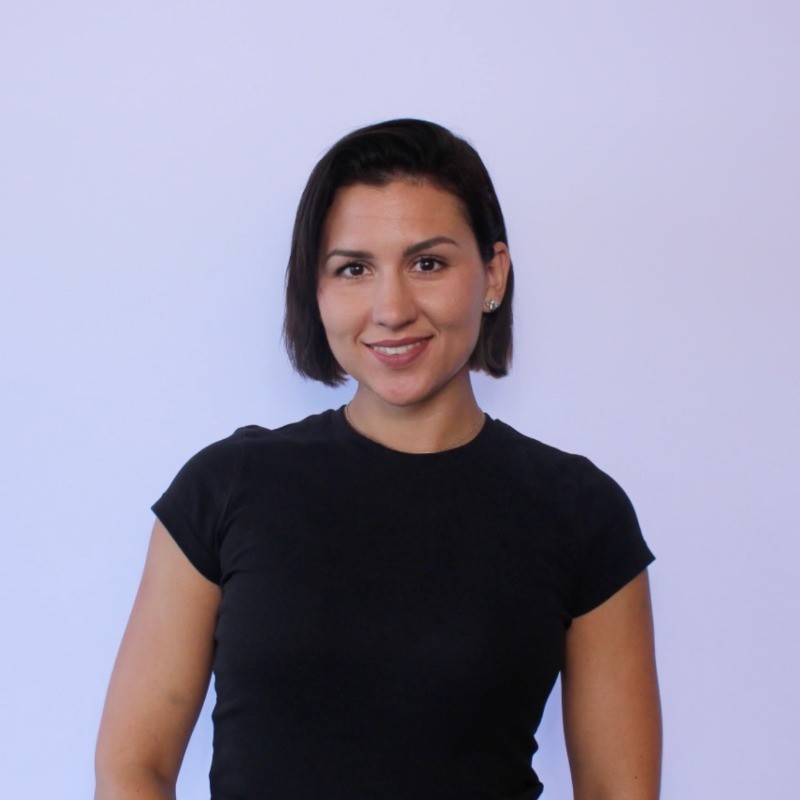
In pictures where you want to look good, such as online profile pics or headshots for a job, body language is extra important. A strong pose makes people see you as powerful and friendly.
If someone slouches or hides their hands, it might seem like they have something to hide. So standing tall with a nice smile can help make the best impression right away!
Understanding Photo Booth Poses
Headshot Body Language
Your headshot tells a story without words. It sends signals about who you are with just your posture and gaze. Make sure to pose deliberately, letting your body language share the right message.
A good headshot looks professional and confident, all thanks to the power of nonverbal messaging.
Micro Expressions
Micro expressions are tiny facial movements that show true feelings. They happen in less than a second and can tell you if someone is happy, sad, or lying. In photo booths, these quick flashes of emotion get caught on camera even when people try to hide their real emotions.
Angular Posing
Angular posing can really show off your energy and personality in photos. When you turn your body or face at sharp angles, it makes the picture feel more dynamic. It’s like saying with your pose that you’re full of life and ready for action.
Fronting
Fronting is about where you point your body. It shows that you care about the person or thing you face. In photos, this means if you turn toward the camera, it looks like you respect and want to talk to the viewer.
Pivoting
Pivoting in photo poses is a smart way to show movement and energy. It’s when you turn or twist your body slightly, so you’re not facing the camera straight on. This pose can make you look relaxed and confident.
The Negative Body Language in Photos
Pacifying and Blocking Gestures
Your body language in photos can tell a story. Pacifying and blocking gestures might show if you’re feeling calm or defensive:
- Your hands touch your face or head, such as rubbing your eyes or scratching your neck. This can mean you are trying to soothe yourself.
- You might bite your nails or hold onto your arms tightly. These actions help calm you down when feeling anxious.
- Covering your mouth with a hand could be a sign that you’re holding back words or feeling unsure.
- Arms crossed over your chest often show that you want to put up a wall between you and others.
- Clasping hands together might seem polite, but it can also be a way to comfort yourself in an awkward spot.
- Turning your body away from the camera suggests that you don’t want to open up fully.
Crossed Arms
Crossed arms might tell others that a person is not open to what’s going on around them. This pose can make someone seem like they are setting up a wall for protection. It shows they could be feeling defensive or don’t want to change their mind.
Mirroring and its Significance in Photos
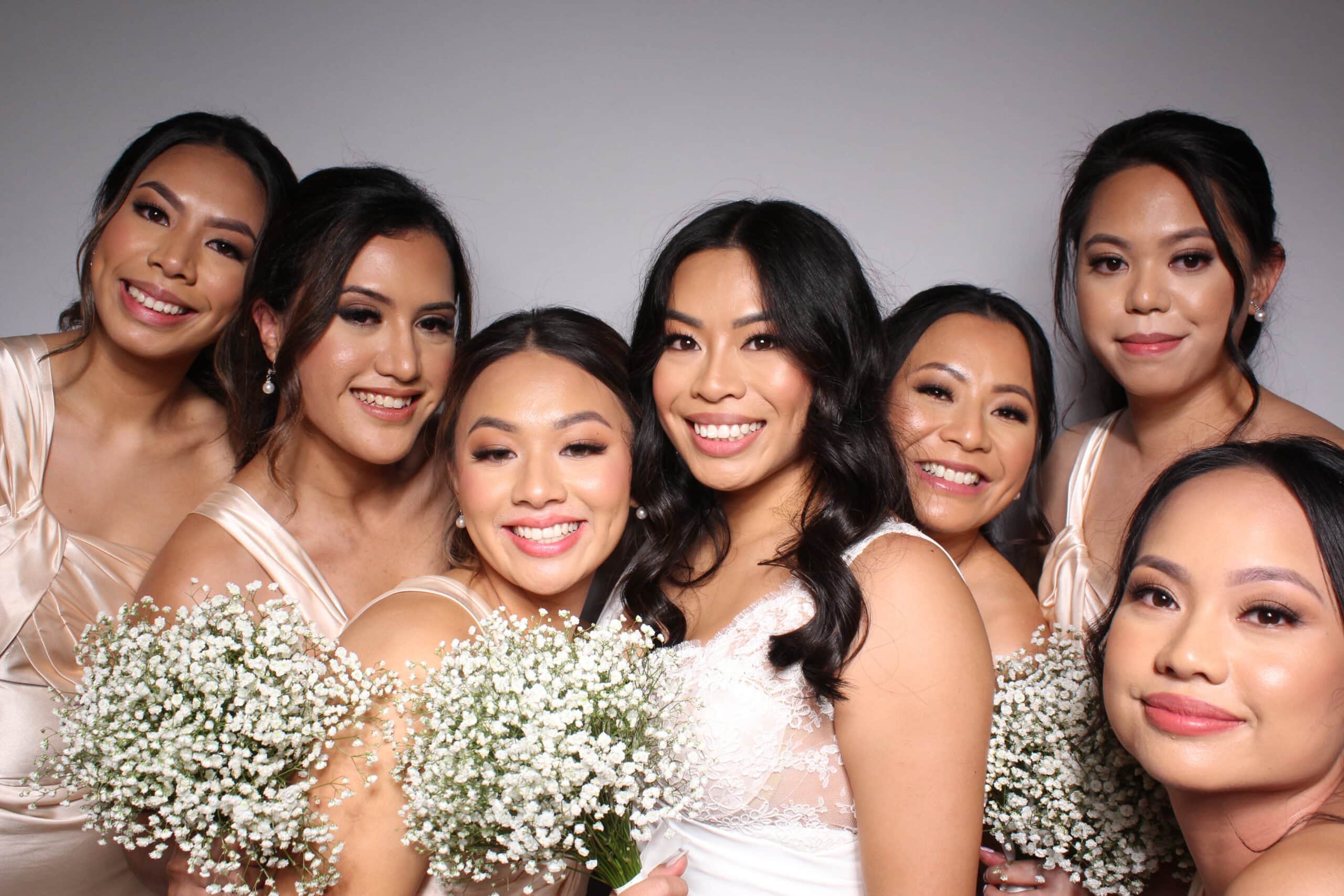
Mirroring happens when someone copies the body language of another person. It’s a powerful part of how we connect with others without talking. In photos, mirroring can show a bond between people.
The Art of Posing: Mastering Body Language Basics
Good posing requires attention to several key elements:
- Stand up straight to appear confident and ready
- Relax your shoulders to seem calm and at ease
- Lean slightly towards the camera for friendliness
- Use your hands wisely; open palms suggest honesty
- Place your feet well; standing with one foot forward creates movement
- Keep your head up but not too high
- Smile with your eyes for genuine warmth
- Angle your face to look best on camera
- Match expressions with the desired mood
Attractive Body Language for Online Profile Pictures
Show off your best self in online photos with confident body language. Stand up straight to show you are strong and sure of yourself. Let your shoulders relax, not hunched up or stiff.
The Influence of Body Language on First Impressions
Body language shapes first impressions significantly. Your posture, facial expressions, and gestures speak volumes before you say a word. Studies show that people form lasting impressions within seconds based on these nonverbal cues.
Body Language in Photography
Body language in photography tells a story without using words. A person’s posture, the way they hold their hands, or even a slight tilt of the head can give hints about how they feel.
Conclusion
Your photo booth poses say a lot about you. They can show how you feel and who you are. When you take pictures, think about your body language. Try to look open and strong, with good eye contact. Have fun with it and let the real you shine through in every shot!
Frequently Asked Questions
What is the most flattering pose for a photo booth?
The most universally flattering pose involves angling your body roughly 45 degrees from the camera, placing one foot slightly forward, keeping shoulders relaxed and back, and tilting your chin down a touch. Combine this with a genuine smile that reaches the eyes. Avoid standing perfectly square to the camera, which tends to look flat and adds visual width.
Why do crossed arms look bad in photos?
Crossed arms read as defensive, closed off or unapproachable because they form a physical barrier between you and the viewer. The pose hides the natural lines of your torso and can make shoulders look hunched. If you feel awkward about where to put your hands, try resting one hand on a hip, or gently touching your collar instead.
How do you smile naturally in a photo booth?
A natural smile engages the eyes, not just the mouth. Think of something genuinely amusing right before the countdown ends, breathe out slightly to relax your jaw, and let the corners of your eyes crinkle. Forced smiles tend to look tight because only the lower face is engaged. Photo booths capture multiple frames, so the second or third shot usually feels most natural.
Does body language really affect first impressions in photos?
Yes. Research shows people form lasting impressions within seconds based on posture, facial expression and gesture. An upright stance with open palms and direct eye contact reads as confident and approachable, while slouching or hidden hands suggest uncertainty. This applies to wedding photo strips, LinkedIn headshots and corporate booth shots alike.
What is the best group pose for a photo booth?
For groups of three or more, stagger heights by having some people sit, kneel or lean in, and arrange the group in a loose triangle or diamond rather than a straight line. Have everyone angle slightly toward the centre to create visual cohesion. Mirroring poses across the group, such as everyone leaning inward, communicates connection and produces stronger images.
Can a good photo booth setup make poses easier?
Absolutely. Professional DSLR booths with studio lighting flatter every face, and a friendly attendant can guide nervous guests into more natural poses. At Ghost Booth Events, photo booth hire from $850 for weddings and includes a friendly attendant for the duration of the event. Across 1000+ events and 50,000+ guests, we have seen how the right setup transforms even camera-shy guests into confident posers.