
TL;DR
- Most fail: up to 40 percent of traditional bound guestbooks receive fewer than half the expected signatures.
- Audio guestbooks win: rental requests have grown more than 60 percent since 2024 because they remove the pressure of writing.
- Placement matters: bar areas, photo booth zones and dance-floor pathways outperform the entrance table.
- Prompts beat blanks: a specific question like "share your favourite memory of us" gets richer responses than "please sign here".
- Combine formats: pairing an audio guestbook with a photo booth is now the highest-engagement setup at Melbourne weddings.
Why Most Traditional Guestbooks Fail
The standard wedding guestbook sits on a table near the entrance, accompanied by a pen and hopeful expectations. Yet studies of wedding keepsakes show that up to 40% of traditional guestbooks receive fewer than half the expected signatures. The format hasn’t changed much since the 1980s, and guest behaviour reflects this stagnation.
Guests often skip the guestbook table entirely. They arrive late, move quickly to their seats, or simply forget about it during cocktail hour. The blank pages and generic prompts don’t inspire meaningful messages. Most entries read “Congratulations!” or “Best wishes,” which doesn’t create the rich memories couples hope to preserve.
Interactive Formats Drive Better Participation
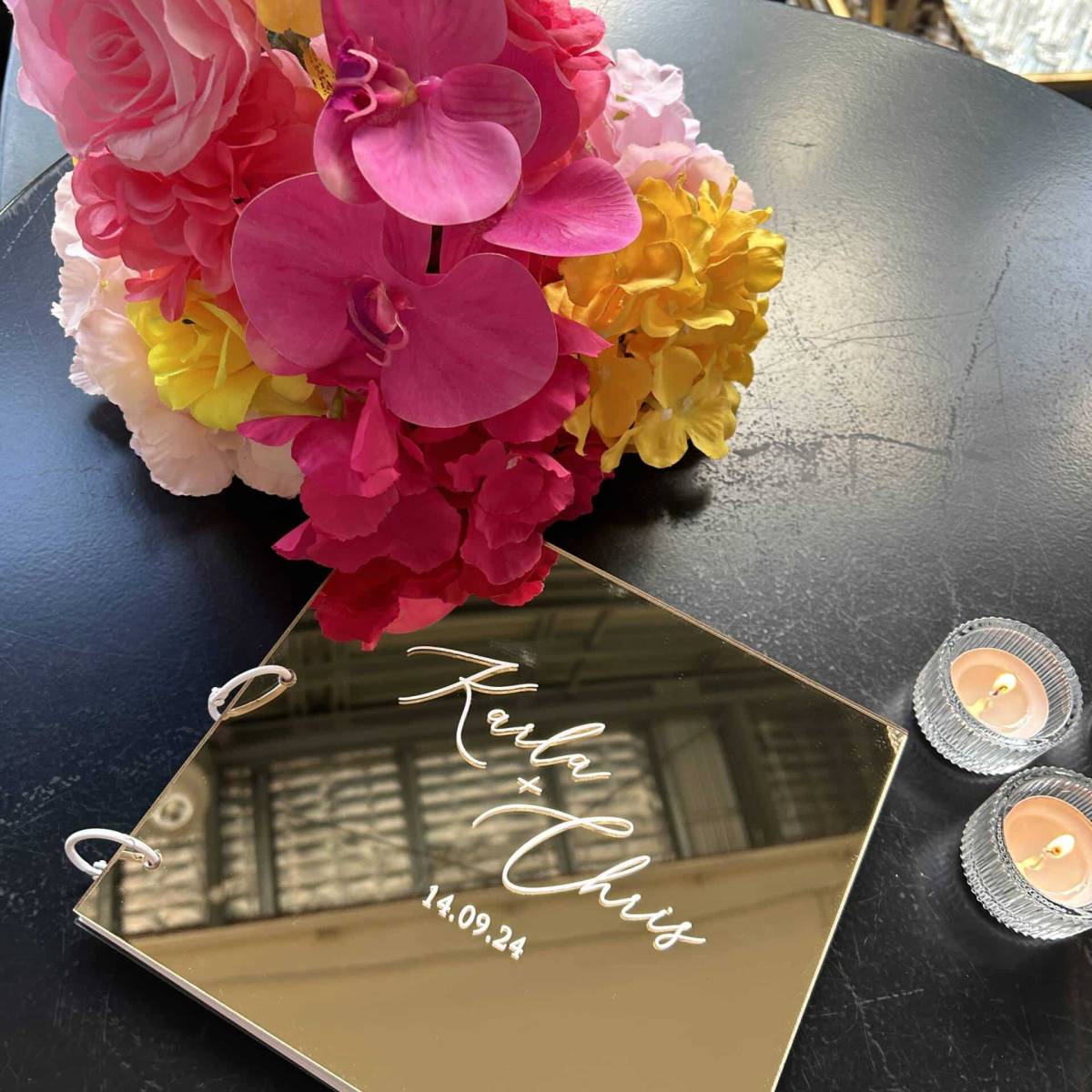
Modern couples are moving away from traditional bound books. Premium wedding guestbooks in Melbourne now include formats specifically designed to encourage interaction. Acrylic signing boards work particularly well because they’re visual. Guests see others’ messages building up throughout the evening, which prompts them to add their own.
Audio guestbook hire has grown significantly since 2024, with rental requests increasing by over 60% in metropolitan areas. The format removes the pressure of writing something clever. Guests pick up a vintage-style phone, hear a prompt, and leave a voice message. The barrier to participation drops substantially.
Photo guestbooks combine images with messages. Couples provide instant cameras or set up a photo booth where guests take pictures and attach them to pages with written notes. This dual format gives people something concrete to respond to, rather than facing a blank page.
Size and Accessibility Matter
The physical dimensions of your guestbook affect usage rates. Oversized books (A3 or larger) allow multiple guests to sign simultaneously. This prevents queuing, which discourages participation. Smaller formats create bottlenecks, particularly during busy periods like cocktail hour.
Placement requires strategic thinking. The entrance table gets ignored more often than couples expect. Better locations include:
- Next to the bar during cocktail hour (captures guests while they wait for drinks)
- On each reception table as a centrepiece activity
- Near the dance floor where traffic naturally flows
- Integrated with the photo booth area where guests already gather
Visibility alone isn’t enough. The guestbook needs to be at a comfortable height for both standing and seated signing. Tables that are too low or too high reduce completion rates.
Prompts That Generate Real Responses
Generic instructions like “Please sign our guestbook” produce generic results. Specific prompts change the quality of messages dramatically. Instead of requesting signatures, ask questions that require thought.
Effective prompts for 2025 weddings include relationship-specific questions. “Share your favourite memory of us” or “What’s your best marriage advice?” give guests clear direction. Some couples use humour: “Predict what we’ll argue about in 10 years” or “Draw us as stick figures.”
Wedding planning research shows that couples value authentic messages over polite formalities. Prompts should reflect your actual personality as a couple. If you’re not sentimental, don’t ask for sentimental responses.
Practical Considerations for High Usage
Supply quality matters more than people think. Cheap pens that skip or smudge frustrate guests. Provide multiple high-quality pens in different colours. For acrylic boards, metallic markers work best because they’re visible from a distance.
Staffing the guestbook station increases participation substantially. Assign someone (not a bridesmaid juggling multiple duties) to encourage guests and explain the format. This person doesn’t need to hover, but their presence prompts action.
Timing affects completion rates. Don’t wait until the reception ends to remind people. Mention the guestbook during cocktail hour announcements. Some couples include a reminder card at each place setting.
Alternative Formats Worth Considering
Video message stations let guests record short clips. These require more setup than audio options but capture facial expressions and group messages. The equipment needs to be user-friendly, otherwise guests skip it.
Digital guestbooks work through tablets or QR codes that link to online forms. Younger guests adapt quickly, but older relatives often struggle with the technology. Mixed-generation weddings benefit from offering both digital and physical options.
Jenga blocks or puzzle pieces create interactive keepsakes. Guests sign individual pieces that become home decor. These formats work particularly well for intimate micro-weddings where every guest’s contribution is visible.
Making Your Choice
Select a format that matches your wedding style and guest demographics. Tech-savvy crowds embrace audio and digital options. Traditional families prefer familiar formats with clear instructions. Consider your venue’s layout and where natural gathering points exist.
Test your chosen format before the wedding. If you’re using audio equipment, record test messages. If you’re providing materials for a creative guestbook, try them yourself. This reveals practical issues before your actual event.
The best guestbook encourages genuine participation without feeling like homework. It should fit naturally into your reception flow and reflect your personalities. When guests feel genuinely inspired to contribute, you’ll end up with a keepsake worth revisiting for decades.
Frequently Asked Questions
Why do most wedding guestbooks fail to get signed?
Up to 40 percent of traditional guestbooks receive fewer than half the expected signatures because they are placed at the entrance where guests rush past, offer no prompt or instruction, and rely on a single pen that creates a queue. Generic "best wishes" messages dominate because guests have no inspiration. Interactive formats and better placement solve almost all of these problems.
What is an audio guestbook?
An audio guestbook is a vintage-style telephone handset that records voice messages from guests. They pick up the receiver, hear a prompt and leave a short recording. After the wedding the messages are delivered as digital audio files. It removes the pressure of writing something clever and captures laughter, accents and inside jokes a written book never can.
Where should I place my wedding guestbook?
Place it where guests already pause: next to the bar during cocktail hour, near the photo booth, or along the natural path to the dance floor. Avoid the entrance table, which gets bypassed by late or rushed arrivals. Position it at a comfortable signing height and allow at least 2 metres of clear space so guests can gather without blocking traffic.
What is a good prompt for a wedding guestbook?
Specific prompts beat blank pages. Try "share your favourite memory of us", "what is your best marriage advice", "predict what we will argue about in 10 years" or "draw us as stick figures". Prompts that ask a question or request a story consistently produce richer responses than the standard "please sign our book".
How much does an audio guestbook cost to hire in Melbourne?
Audio guestbook hire in Melbourne is typically priced as a stand-alone or as an add-on to a photo booth package. At GB Events, founded in 2015 by Gina Balic, we offer audio guestbook bundles alongside our photo booth and corporate packages, with free delivery and setup within 50 km of the Melbourne CBD. Get a custom quote on the enquiry page.
Should I use a digital or paper guestbook?
It depends on your guest list. Tech-comfortable crowds embrace digital tablets and QR-code guestbooks, while older relatives often prefer a familiar paper format. The best results come from offering both, or combining a physical signing element (like an acrylic board or Jenga blocks) with an audio guestbook so every guest finds a format they will actually use.
What is the best alternative to a traditional guestbook?
Audio guestbooks, acrylic signing boards and photo booth scrapbooks are the three highest-engagement alternatives across the 1000+ events we have run. Audio captures voice and emotion, acrylic boards make participation visible to encourage others, and a photo booth scrapbook gives every guest something tangible to attach a message to. Many couples now combine all three.