

TL;DR, Looking back from 2026
- Sustainability stuck: living centrepieces, digital RSVPs and seed-paper stationery are now standard at Melbourne weddings, not a niche request.
- Tech blended in: AR photo booths, multi-camera live streams and audio guestbooks all moved from novelty to mainstream by 2026.
- Micro-destinations won: Yarra Valley, Mornington Peninsula and inner-Melbourne hometown takeovers replaced long-haul destinations for most 2025 couples.
- Curated personalisation: signature scents, narrative menus and experience stations beat over-customisation of every single detail.
- Multi-day celebrations: welcome dinners and farewell brunches are now expected at most full-size weddings we have worked.
The wedding landscape continues to transform as couples prioritize meaningful experiences over traditional formalities. If you’re planning a 2025 wedding, you’ll want to know what’s gaining momentum and what’s fading away. Let’s explore what’s coming next!
1. Sustainability Takes Center Stage
Environmental consciousness isn’t new in weddings, but 2025 will see sustainability becoming non-negotiable rather than optional.
Couples are increasingly requesting carbon-neutral celebrations, and vendors are responding with innovative solutions. Instead of single-use decor, we’re seeing investment in quality pieces that can be repurposed after the wedding or rented from specialized wedding circular economy businesses.
Living decor is replacing cut flowers in many celebrations. Think potted plants, herb centerpieces, and even fruit-bearing trees that guests can take home afterward. One memorable wedding featured an “adoption station” where guests selected potted native Australian plants as favors, complete with care instructions and the couple’s wedding date stamped on biodegradable pots.
Digital invitations and RSVPs are becoming standard, with physical invitations reserved for those who specifically request them. When paper is used, it’s increasingly seed-embedded, allowing recipients to plant their invitations after the event.
Have you considered a carbon offset registry? In 2025, we’ll see more couples requesting contributions to environmental causes in lieu of physical gifts, particularly for guests who need to travel long distances to attend. This approach pairs perfectly with our best wedding gift ideas for couples who want meaningful alternatives to traditional registries.
2. Tech Integration Becomes Seamless
The pandemic accelerated wedding tech adoption, and 2025 will see technology becoming more sophisticated yet less obvious in its presence.
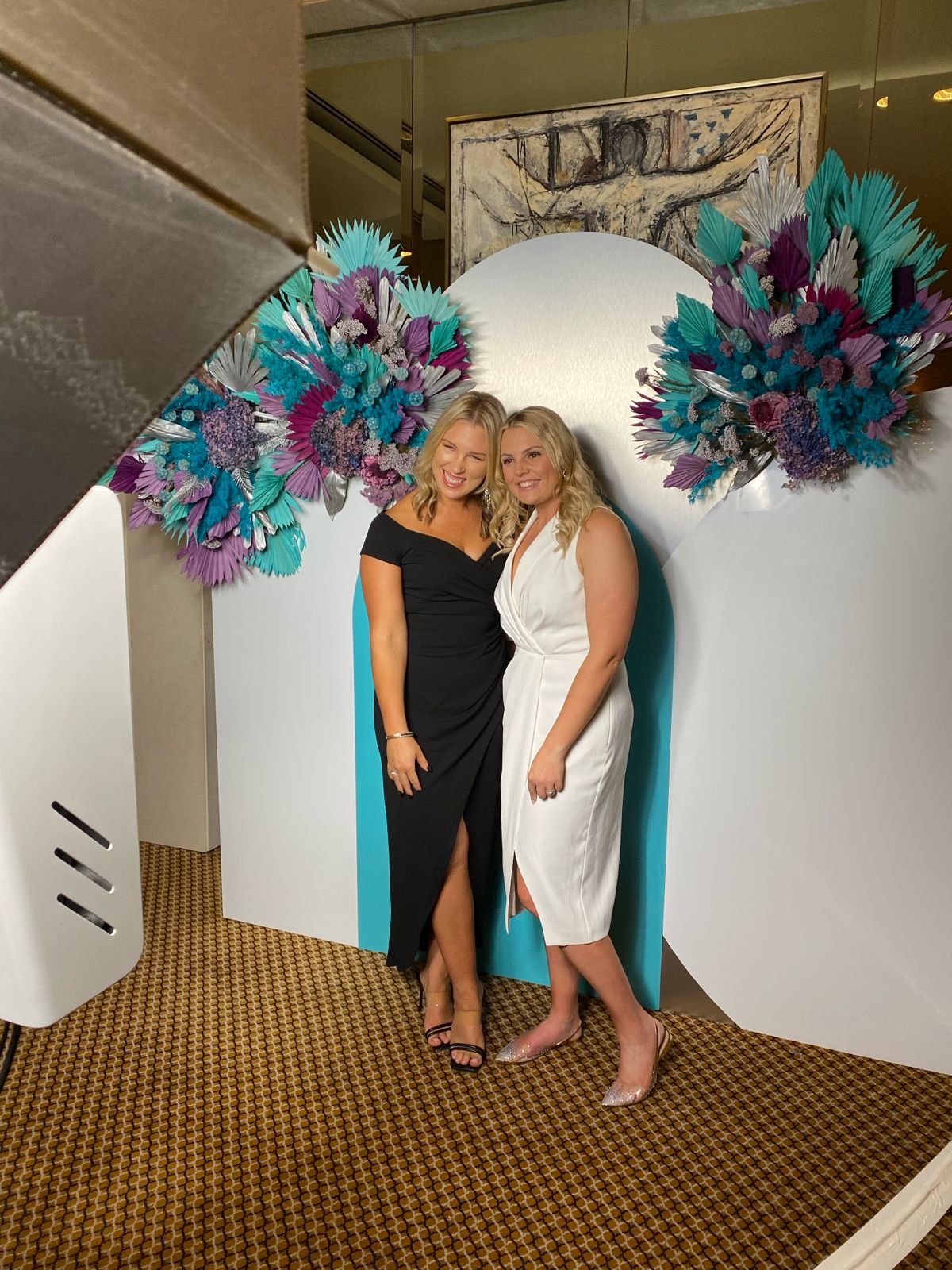
Augmented reality elements are enhancing guest experiences without feeling gimmicky. Photo booths are incorporating AR features that allow guests to capture memories in fantastical settings personalized to the couple’s story, from recreating their first date to imagining their future travels. This evolution builds on the photo booth trends we saw in 2024, taking them to new heights of personalization.
Live streaming is evolving beyond simple video feeds. Multi-camera setups with professional direction are creating cinematic experiences for remote guests, who can interact through moderated chat features. Some couples are even including “virtual tables” where remote guests can socialize with each other during the reception.
AI-driven planning tools are streamlining the wedding process. From budget management apps that track spending in real-time to AI assistants that help coordinate vendor communications, technology is making planning more efficient without sacrificing personalization.
Smart wearables are subtly enhancing guest convenience. RFID-enabled wristbands or digital tokens allow guests to access everything from coat check to photo booth services without fumbling for tickets or phones.
3. Destination Redefined
The concept of destination weddings is evolving. Rather than tropical beaches, couples are choosing meaningful locations that tell their story.
“Micro-destinations” within driving distance are gaining popularity. Think local vineyards, historic estates, or nature preserves that offer the destination feel without international travel. This trend balances the desire for a special location with practical considerations of accessibility and environmental impact. For more on intimate celebrations, check out our guide on how to plan a micro-wedding.
Hometown celebrations are getting creative. Instead of traditional venues, couples are taking over neighborhood streets, local parks, or beloved community spaces for their celebrations. One couple recently secured permits to transform their favorite farmers’ market into a wedding venue for one night.
Location hopping within one region is emerging as an alternative to single-venue events. A wedding weekend might include a welcome dinner at a local restaurant, a ceremony in a botanical garden, and a reception at an art gallery, all within the same city but offering guests a tour of the couple’s favorite spots.
Heritage tourism is influencing wedding locations, with couples choosing destinations connected to their cultural backgrounds. These celebrations often incorporate local traditions, cuisine, and artisans while introducing guests to the couple’s ancestral connections.
4. Personalization Through Curation
Mass customization is out; thoughtful curation is in. Couples are moving away from personalizing every element to focusing intensely on a few significant aspects that truly reflect their values and relationship. For ideas on making your ceremony more personal, see our guide on how to personalize your wedding ceremony.
Signature scents are becoming the new signature cocktails. Couples are working with perfumers to create custom fragrances that set the mood for their celebration and serve as a sensory memory trigger long after the day. These scents might be diffused throughout the venue, incorporated into candle favors, or even infused into the paper of ceremony programs.
Menu curation is becoming more narrative-driven. Rather than simply offering meal choices, couples are serving dishes that tell their story, recreations of memorable meals from their relationship, family recipes with modern twists, or explorations of cuisines that reflect their heritage or travels together.
Experience stations are replacing traditional entertainment. Instead of just a dance floor and photo booth, couples are creating curated activity nodes throughout their reception: perhaps a mixology class featuring their favorite spirits, a mini art studio where guests create a collaborative piece, or a storytelling corner where loved ones can record memories of the couple. Our audio guestbook service perfectly complements this trend, giving guests a way to leave meaningful voice messages for the couple.
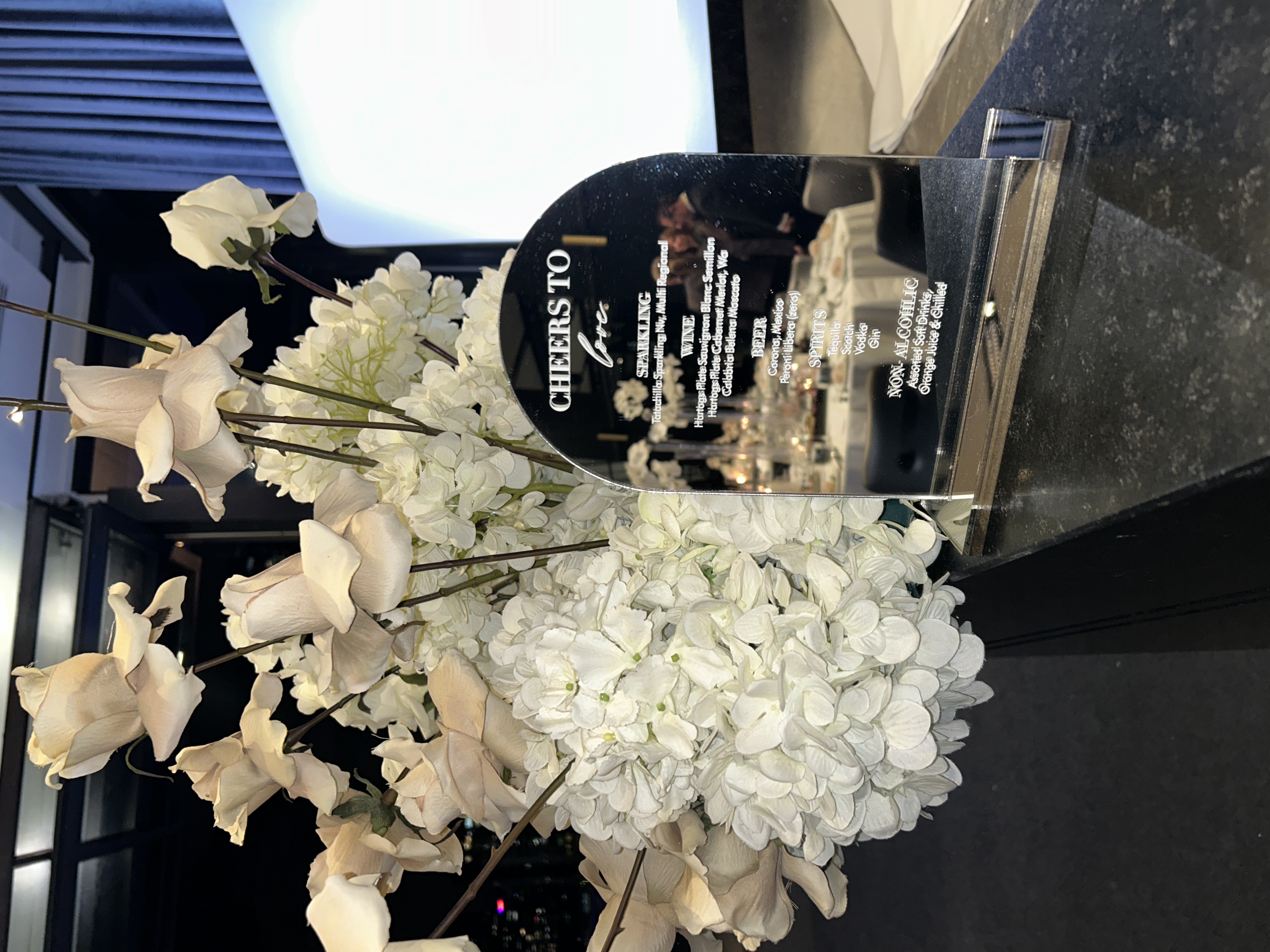
Guest “matchmaking” is gaining traction. Moving beyond random seating assignments, couples are thoughtfully connecting guests who might form meaningful bonds. I’ve seen detailed seating charts that include conversation starter prompts tailored to each table’s common interests. Beautiful, informative custom signage can help guide guests through these unique experiences.
5. Celebration Stretching
The single-day wedding is expanding into more elaborate multi-day experiences that allow deeper connections with guests.
Wedding weekends are becoming more structured, with carefully planned activities that allow different social circles to mix before the main event. Think welcome picnics, group activities based on shared interests, and farewell brunches that extend the celebration.
“Honeymoon crowdsourcing” is replacing traditional registries for some couples. Guests contribute to specific honeymoon experiences rather than household items, allowing the couple to extend their celebration through adventures funded by loved ones.
Phased celebrations are emerging for couples with diverse social circles. Instead of one massive event trying to accommodate everyone, couples are hosting a series of smaller, more intimate gatherings tailored to different friend groups or family configurations. This allows for more meaningful interactions with each guest.
Ceremonial separations are creating distinct emotional spaces. Some couples are choosing to hold their legal ceremony on a different day than their reception celebration, allowing each event to have its own emotional focus and pacing. If you’re considering a non-traditional ceremony approach, our guide to non-religious wedding ceremony scripts offers inspiration.
6. Fashion Forward Evolution
Wedding attire is continuing to break free from traditional constraints, with 2025 bringing bold new directions. These evolve naturally from the top wedding dress trends of 2024, but with even more emphasis on sustainability and versatility.
Versatile pieces designed for reuse are replacing single-wear gowns and suits. Designers are creating separates that can be styled differently for the ceremony, reception, and beyond into everyday life. Think convertible dresses, layering components, and suits in contemporary cuts and colors that work for multiple occasions.
Heritage textiles are gaining prominence. Couples are commissioning attire made from fabrics with cultural or family significance or incorporating small elements from heirloom pieces into new garments. This connects their wedding day to their lineage while allowing for contemporary styling.
Gender-fluid fashion is becoming more mainstream, with designers creating collections that focus on the wearer’s personal style rather than gendered expectations. The emphasis is on how the garment makes the wearer feel rather than adherence to traditional bridal or groom categories.
Ethical sourcing is influencing fashion choices. More couples are requesting transparency about their attire’s production, favoring designers who prioritize fair labor practices and sustainable materials. Some are even incorporating this information into their wedding websites, sharing the stories behind their fashion choices with guests.
Confused about dress codes? Our guide on what is cocktail attire for a wedding helps decipher common dress code terminology, while our winter wedding attire guide offers seasonal guidance.
7. Food Revolution Continues
The wedding meal experience continues to evolve beyond traditional sit-down dinners or buffets.
Interactive dining is creating memorable food moments. Chef’s tables within the reception space, live cooking demonstrations, and food and beverage pairing experiences are turning dining into entertainment while showcasing culinary craftsmanship.
Hyper-local sourcing is extending to beverages as well as food. Couples are featuring wines, spirits, and even non-alcoholic options from local producers, often including the stories of these makers in their menu descriptions or having the producers themselves present at the event.
Plant-based options are becoming the stars rather than afterthoughts. Even meat-inclusive menus in 2025 will feature plant-based dishes designed to impress all guests, not just those with dietary preferences.
Late-night dining is getting an upgrade, moving beyond pizza deliveries to curated “second meals” that help sustain the celebration. These might include breakfast-for-dinner stations, soup and sandwich pairings, or international street food that reflects the couple’s favorite travel destinations.
8. Reimagined Traditions
Couples are continuing to question which traditions hold meaning for them personally, keeping some while completely reimagining others.
Community vows are supplementing personal promises. More couples are including moments where their community pledges support for their relationship, acknowledging that marriages thrive with social backing. For help crafting meaningful vows, our guide on how to write wedding vows offers practical advice.
Gift economies are replacing traditional registries. Some couples are facilitating skill exchanges among their guests instead of physical gifts, perhaps a graphic designer guest creates anniversary cards in exchange for home-cooked meals from a culinary-inclined friend. These relationships formed at the wedding create lasting connections. Looking for traditional gift options? Our guide to top 15 wedding wishes includes gift-giving etiquette.
Ceremonial timing is shifting away from afternoon events. Sunrise ceremonies, brunch celebrations, and midnight vow exchanges are allowing couples to leverage special lighting conditions and create distinctive atmospheres that standard afternoon weddings can’t match.
Origin story celebrations are replacing engagement parties for some couples. Rather than announcing an engagement they’ve already shared on social media, couples are hosting events that celebrate how they met or significant relationship milestones, inviting friends to locations meaningful to their love story.
What wedding trends are you most excited to see develop in 2025? Whether you’re planning your own celebration or simply enjoy keeping up with evolving traditions, the coming year promises to bring fresh approaches that prioritize meaning, connection, and authentic expression above all else.
Capture these innovative trends at your own wedding with our photo booth services or create lasting memories with a beautiful custom guestbook that reflects your personal style.
Frequently Asked Questions
Which 2025 wedding trend predictions actually came true?
Looking back from 2026, sustainability, micro-destinations, audio guestbooks and curated personalisation all delivered. Living centrepieces and seed-paper invitations are now standard at Melbourne weddings, AR-enabled photo booths went mainstream, and most couples chose Yarra Valley or Mornington Peninsula over overseas destinations. Multi-day celebrations and signature scents also stuck around far more than expected.
Are wedding photo booths still on-trend in 2026?
Yes, but the format has evolved. Open-air booths with AR overlays, animated GIFs and custom-branded prints have replaced enclosed curtain booths. At Ghost Booth Events we have run 1000+ events since 2015 and our photo booth and corporate packages remain our most-requested service. Pairing a booth with an audio guestbook has become the new standard combo for Melbourne couples.
What is a micro-destination wedding?
A micro-destination wedding swaps long-haul international travel for a meaningful regional location within driving distance. For Melbourne couples this usually means the Yarra Valley, Mornington Peninsula, Daylesford or the Bellarine. It captures the destination feel for guests without the cost and carbon footprint of overseas travel, which is why it dominated 2025 bookings.
Are digital wedding invitations now acceptable?
Digital RSVPs are now standard at the majority of 2025 and 2026 Melbourne weddings. Printed invitations have shifted to a "save the date" plus digital RSVP combination, often with seed-embedded paper. Older relatives still appreciate a paper option, so most couples send physical invitations to a smaller, targeted list rather than to every guest.
What is an audio guestbook and why is it popular?
An audio guestbook is a vintage-style phone handset that records voice messages from guests. It became a breakout 2025 trend because it removes the awkwardness of writing something clever on a blank page. Booking requests grew by more than 60 percent year on year, and at Ghost Booth Events it is now one of our top three add-ons alongside the photo booth and signage.
What trends are continuing into 2026 weddings?
The strongest carry-over trends are sustainable styling, audio guestbooks, signature scents, chrome and mirrored signage, bold typography and multi-day celebrations. Plant-based menus have moved from "accommodating dietaries" to being the centrepiece of the catering offer. Expect 2026 to keep pushing curated experiences over generic personalisation.